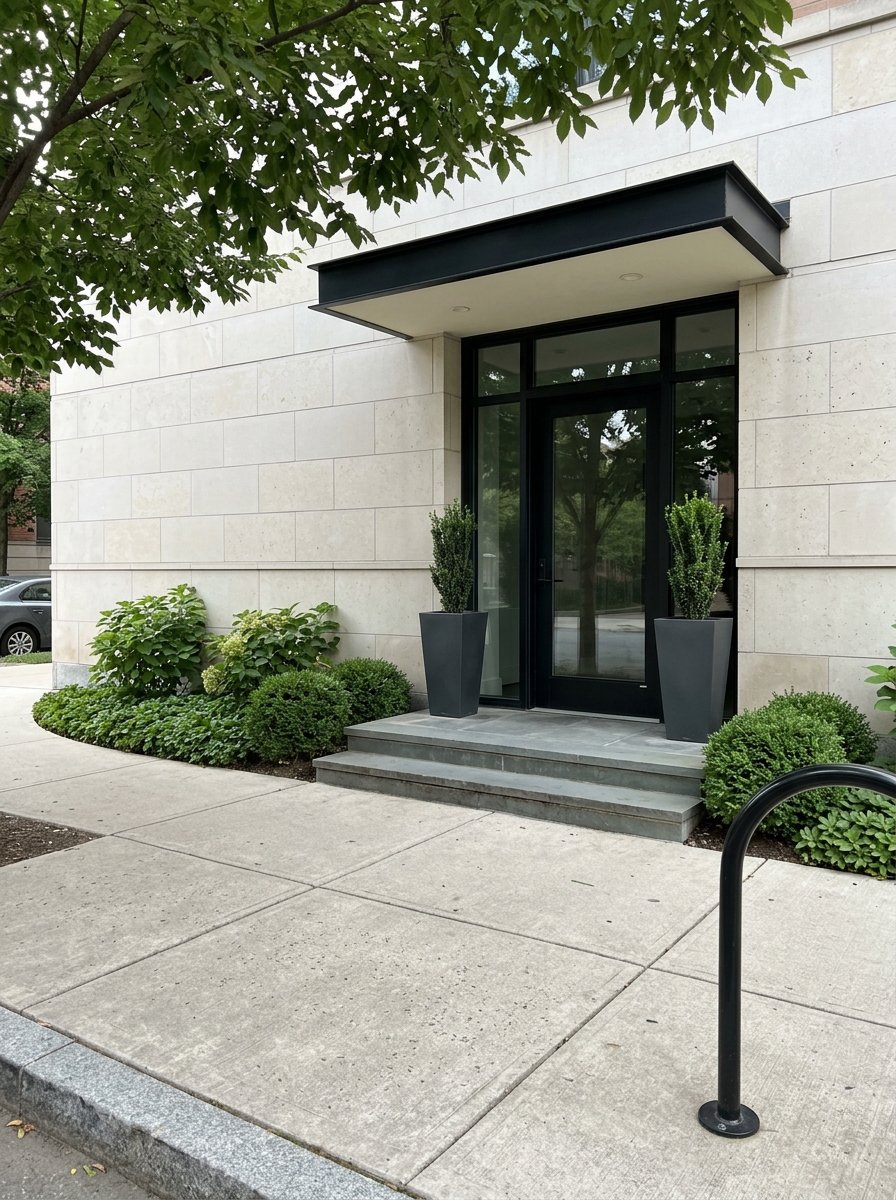
If you want a lifestyle where coffee, dinner, errands, transit, and a weekend stroll are all within easy reach, not every part of Bethesda will feel the same. Some blocks are truly built for life on foot, while others offer a quieter setting with a little more distance between destinations. In this guide, you’ll see where Bethesda’s most walkable corners are, how they differ, and what trade-offs to weigh if walkability is high on your list. Let’s dive in.
Why walkability varies in Bethesda
Bethesda is not uniformly walkable from end to end. According to Walk Score, the citywide average is 45, but some downtown addresses score as high as 98 or 99. That gap tells you something important right away: the best walkable lifestyle is concentrated in a compact downtown core.
Bethesda Urban Partnership describes downtown Bethesda as a 300-acre area that you can walk end-to-end in about 20 minutes. That same area includes the Bethesda Metro Station, the free Bethesda Circulator, 17 public garages and surface lots, nearly 200 restaurants, 75 home fashion retailers, and nearly 700 retailers and businesses. In practical terms, the closer you are to the center of that network, the easier it is to live with less reliance on a car.
Bethesda Row and Metro core
If your top priority is maximum walkability, Bethesda Row and the blocks around the Bethesda Metro Station are the strongest fit. Montgomery Planning describes Bethesda Row as a walkable mid-rise scale destination at the heart of downtown. It connects to a central green space, the Capital Crescent Trail, the future Purple Line station, and the new Bethesda Metro entrance.
This part of Bethesda is where the walk-first lifestyle feels the most complete. Walk Score pages for Bethesda Avenue in the core reach 99, which is about as high as it gets locally. You are also close to Red Line access, core shopping streets, dining, and everyday services.
The housing mix here tends to match that lifestyle. Bethesda Urban Partnership’s live-here listings show that the downtown core is dominated by apartments and condominiums. If you want to step outside and have a long list of destinations within a few blocks, this is usually the area to start with.
What daily life looks like here
Living near Bethesda Row or the Metro core often means your day can happen in a tight radius. You may be able to walk to restaurants, retail, practical services, and transit without much planning. That kind of convenience is hard to replicate elsewhere in Bethesda.
It also gives you more than one way to get around. WMATA notes that Bethesda Station is walking distance to Bethesda Row shopping and the Bethesda Trolley Trail, and the station includes bike racks, lockers, and bikeshare. That setup reinforces what the street pattern already suggests: this is a part of Bethesda designed around walking, transit, and short local trips.
Woodmont Triangle
If you want very strong walkability with a slightly different feel, Woodmont Triangle deserves a close look. Montgomery Planning describes it as a vibrant urban, mixed-use neighborhood with an emphasis on residential small-scale retail, the arts, and public amenities. The same plan also highlights pedestrian-friendly local streets and an eclectic mix of uses.
Woodmont Triangle sits within roughly 2,500 feet of the Metro station, which keeps it firmly in Bethesda’s transit-oriented zone. Walk Score at Woodmont and Edgemoor is 98, placing it in the same highly walkable tier as Bethesda Row. That makes it one of the best options if you want to stay close to the action without being in the exact center of it.
This area blends high-rise residential development with smaller-scale retail and arts-oriented amenities. Bethesda Urban Partnership’s neighborhood and event materials reinforce that identity with restaurants, cafes, retail, and street-level programming. For many buyers, that creates a nice middle ground between convenience and a slightly more residential rhythm.
Why buyers compare it with Bethesda Row
Bethesda Row and Woodmont Triangle are often compared because both support a true on-foot lifestyle. The difference is less about whether you can walk and more about the setting in which you do it. Bethesda Row often feels more central to the downtown core, while Woodmont Triangle can feel a bit more varied and neighborhood-like while still keeping daily conveniences nearby.
If you value walkability but do not need to be directly on the busiest retail blocks, Woodmont Triangle may be worth a closer look. It offers many of the same benefits with a slightly different street experience.
Edgemoor and Battery Lane
If you like the idea of walkability but want a calmer transition from the downtown core, Edgemoor and Battery Lane are useful comparison points. Planning documents describe these areas as edge districts and transition zones that balance redevelopment with nearby residential areas. In simple terms, they often feel a little less intense than the core while still keeping you close to it.
The walkability scores reflect that shift. Battery Lane scores 84, which still falls in the very walkable range, while 5315 Edgemoor Lane scores 60, or somewhat walkable. That means you can still access many downtown advantages, but your experience may involve a bit more distance and fewer steps-to-everything blocks.
For some buyers, that trade-off is exactly the point. You may gain a more transitional residential setting while staying near downtown Bethesda’s amenities. If your goal is almost-the-same convenience with a little more breathing room, these zones can be very appealing.
The main trade-off on the edges
As you move away from the core, the retail density thins out. You may still be close to restaurants, transit, and services, but the number of options within a very short walk often drops. That does not make these blocks less desirable, but it does change the feel of day-to-day life.
Housing styles also tend to shift along this gradient. In the core, apartments and condos are more common. In the transition zones, planning documents emphasize compatibility with adjacent neighborhoods, which helps explain why the experience often feels more residential and less purely mixed-use.
Transit and trails matter here
Walkability in Bethesda is not just about sidewalks and storefronts. Transit and trail access play a major role in how convenient daily life feels. For many buyers, that broader mobility picture is part of what makes downtown Bethesda so appealing.
The Bethesda Circulator is a standout local advantage. Bethesda Urban Partnership says it runs every 10 to 15 minutes on weekdays and Saturdays and serves the Bethesda Metro Station along with stops on Woodmont, Edgemoor and Montgomery, Battery Lane, Arlington Road, and nearby streets. If you live a few blocks from Metro, that service can make daily movement around downtown easier without using a car.
The trail network also adds real value. Montgomery Parks says the Capital Crescent Trail runs from Georgetown to Woodmont Avenue in Bethesda and serves as a commuter trail to Georgetown and DC. The county’s Bethesda Trolley Trail materials describe that corridor as a direct link between Bethesda and Rockville for bicyclists, runners, and pedestrians, with access to NIH, Woodmont Triangle, downtown office towers, and the Capital Crescent Trail.
A 2026 reality check
It is also important to look at current conditions, not just the long-term map. Montgomery Parks says multiple Capital Crescent Trail entrances are currently closed during Purple Line construction. WMATA also says the new south mezzanine connection between Bethesda Station and the future Purple Line station will not be available until the Purple Line opens in 2027.
The Purple Line project says the line is slated to open in late 2027 and will connect Bethesda to Silver Spring and the wider east-west corridor. That future connection could strengthen mobility in and around downtown Bethesda. For now, though, buyers should weigh today’s convenience against a period of construction disruption and detours.
Everyday convenience is the real test
A walkable neighborhood only works if it supports real daily life. Downtown Bethesda stands out because it offers more than restaurants and shops for an evening out. Bethesda Urban Partnership places practical destinations such as the library, police station, fire department, rescue squad, and regional services center inside or adjacent to downtown.
The area also includes two farmers markets: Bethesda Central Farm Market and the Montgomery Farm Women’s Cooperative Market. Add nearly 700 retailers and businesses, and the result is a downtown that can support errands, dining, transit, and routine needs in one compact area. That is what makes Bethesda’s most walkable corners feel genuinely usable, not just lively.
How to choose the right walkable area
If you are narrowing your search, it helps to match your location to the kind of daily routine you want.
- Choose Bethesda Row or the Metro core if you want the strongest walkability and the easiest access to transit, retail, dining, and services.
- Choose Woodmont Triangle if you want nearly the same level of convenience with a slightly different street feel and a strong mix of residential and neighborhood retail uses.
- Choose Edgemoor or Battery Lane if you want to stay close to downtown while trading some retail density for a calmer transitional setting.
The right answer depends on what you want your day to feel like. Some buyers want to walk out the door and have everything immediately around them. Others want walkability that still leaves a little space between home and the busiest blocks.
When you are comparing options in Bethesda, it helps to look beyond a map pin. The most useful questions are often about how often you expect to use Metro, whether trail access matters to you, and how much activity you want right outside your building or front door.
If you want help comparing Bethesda’s walkable pockets and finding the right fit for your lifestyle, Pearlman Meekin & Co. can guide you through the options with local insight and a tailored strategy.
FAQs
Which part of Bethesda is the most walkable?
- The strongest walkability is in Bethesda Row and the blocks around Bethesda Metro, where some addresses score 98 to 99 on Walk Score.
Is Woodmont Triangle walkable in Bethesda?
- Yes. Woodmont Triangle is one of Bethesda’s most walkable areas, with a Walk Score of 98 and close access to the Metro, restaurants, cafes, and retail.
Are Battery Lane and Edgemoor walkable in Bethesda?
- Yes, but they are generally less walkable than the downtown core. Battery Lane scores 84 and Edgemoor examples score around 60, so the experience is more mixed depending on the block.
What housing types are common in walkable Bethesda areas?
- In the most walkable parts of downtown Bethesda, apartments and condominiums are the most common housing types.
Does Bethesda Metro support a car-light lifestyle?
- Yes. Bethesda Station is on the Red Line, is close to shopping and trails, and includes bike racks, lockers, and bikeshare, which supports walking, biking, and transit use.
Is Purple Line construction affecting Bethesda walkability right now?
- Yes. Some Capital Crescent Trail entrances are closed during construction, and the new Metro mezzanine connection to the future Purple Line station is not expected to open until 2027.