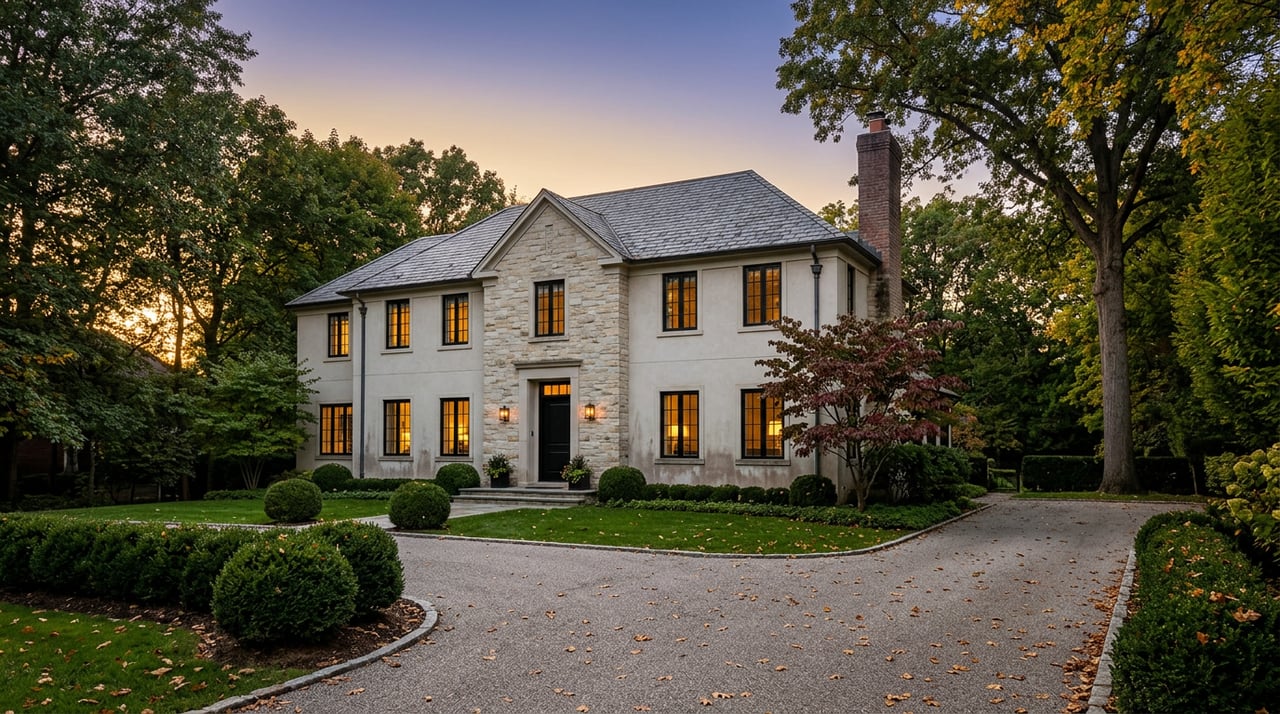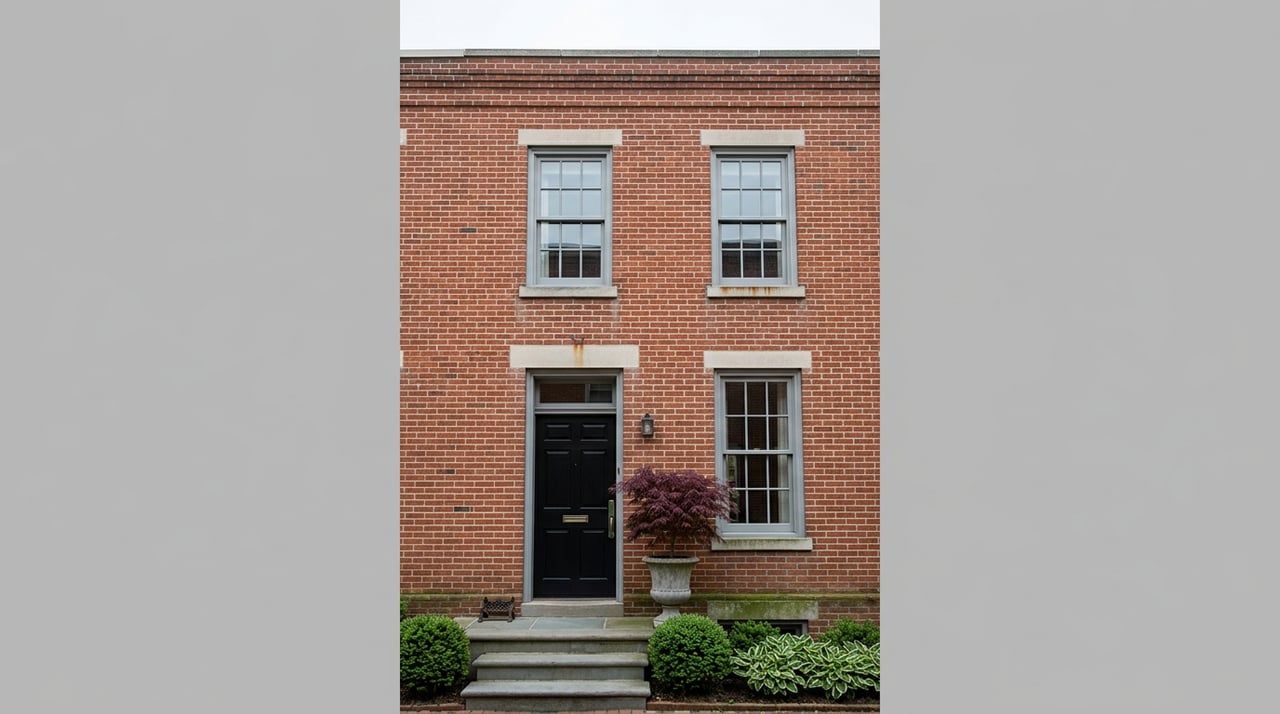
Most Virginia home sellers carry a simple obligation: tell the buyer about anything wrong with the house that they actually know about. It is why the state's standard disclosure form exists, and why most of it reads like a checklist of leaks, cracks, and system failures.
Then you get to the historic district section, and the form changes its mind about who is responsible for what.
Virginia's official Residential Property Disclosure Statement includes a clause specific to properties in a local historic district. Instead of asking the seller to disclose what they know, it states plainly that the owner "makes no representations" about whether historic district ordinances affect the property, and tells the purchaser to go do the homework themselves, reviewing the local ordinance, the official historic district map, and any city materials on alteration or demolition requirements, before settlement. For a buyer used to a disclosure form putting the burden on the seller, that reversal is the first surprise. It will not be the last.
What the Board of Architectural Review Actually Gates
Anyone buying or renovating in the Old and Historic Alexandria District or the Parker-Gray Historic District is operating inside a system run by the city's Board of Architectural Review. The BAR does not touch interior work. What it controls is anything exterior and visible from a public street: additions, new construction, window and door replacements, signage, and any demolition or encapsulation of more than 25 square feet of material, regardless of whether that material faces the street or the alley.
Not every project needs the same level of scrutiny. Some routine items get approved administratively by preservation staff, usually in under five business days if the application is complete. Larger changes go to the full board, which meets the first and third Wednesday of every month except August.
| Project type | Review path | Typical timeline |
|---|---|---|
| Repainting in the same color, in-kind roof repair, routine maintenance | Administrative (staff-level) | Under 5 business days |
| Window or door replacement matching historic profile | Administrative or full hearing, depending on scope | Days to a few weeks |
| Additions, new construction, demolitions | Full Board of Architectural Review hearing | Weeks, tied to the twice-monthly hearing schedule |
Full-hearing applicants also have to notify adjacent property owners in writing before their case is heard, and the city typically posts the final docket and staff report by 5 p.m. the Friday before the hearing. If a decision does not go your way, an appeal to City Council has to be filed within 14 days.
The Rulebook Is Being Rewritten While You're Reading This
Here is what most renovation guides miss because they were written before this year: the design guidelines that govern all of the above are currently mid-rewrite. The city's BAR Design Guidelines Committee posted draft chapters starting August 5, 2026, held a public meeting on August 19 at the Nannie J. Lee Community Center, and closed the comment period on September 2. Historic Preservation Division planner Brendan Harris led that presentation, alongside principal planner Julie Weisgerber and preservation architect Bill Conkey, walking a packed room through proposed changes to 11 chapters covering both OHAD and Parker-Gray.
One proposed change matters more than the others for anyone comparing properties right now. The draft would classify buildings as "early" if built before 1932 and "later" if built in 1932 or after, with the level of BAR review varying by that split. A second proposal would formally distinguish street-facing elevations from non-street-facing ones, which could reduce how many minor changes trigger a full hearing at all. The committee is also working to bring Parker-Gray standards closer in line with the Old Town district's.
None of this is finalized. Which means a buyer evaluating a listing this month cannot say with certainty which version of the rules will govern their future addition or window replacement. That uncertainty is not a footnote. It is the actual condition of the market right now.
This Isn't Theoretical. It's This Week's Docket
The machinery behind all of this runs constantly, and it is easy to verify. The BAR's preliminary docket for its Wednesday, September 16, 2026 hearing, two days from now, includes a request for concept review at 330 North Washington Street, a signage request at 625 First Street, partial demolition and encapsulation at 408 Prince Street, and a combined demolition-and-addition request at 430 South Lee Street. These are real applicants, working through the same process a buyer would inherit the moment they close on a historic property and want to touch the exterior.
What This Adds to a Renovation Budget
Once a project clears BAR review, or needs to, the dollar figures follow a pattern specific to this market. Additions in Alexandria typically run $350 to $650 per square foot depending on scope. To put that in real terms: a 200 square foot kitchen bump-out in Rosemont runs around $125,000 all-in. A 400 square foot family room addition in Seminary Hill runs closer to $240,000. A 900 square foot second-story addition on a 1950s Alexandria ranch lands around $525,000.
Old Town projects specifically require careful material matching because the BAR looks closely at how new work reads against the historic fabric next to it, and that scrutiny adds weeks to a timeline on top of whatever the review category already requires. Skipping the process is not a shortcut worth taking. Unauthorized construction in a historic district is a Class Two zoning violation, carrying fines up to $5,000, and unpermitted work has to be disclosed to a buyer down the line regardless of how long ago it happened.
The Premium You're Already Paying
Here is where the disclosure clause and the renovation math meet the price tag. Over the three months ending August 2026, Alexandria's citywide median sale price per square foot sat at $458, up 5 percent year over year, with homes selling in an average of 40 days. Old Town does not trade at that number. In one representative week in July 2026, twenty-two homes closed across the city ranging from a $240,000 one-bedroom condo near Landmark to a $2.6 million townhome in Ford's Landing, and Old Town and its surrounding blocks accounted for seven of the ten most expensive sales that week, including two closings at The Whitley on North Columbus Street.
The address premium buyers pay for Old Town square footage does not buy them out of the BAR process. If anything, it buys them into a stricter version of it, on a property more likely to carry undocumented alterations from a prior owner, sitting inside a historic district whose own disclosure form tells the buyer the seller is not vouching for compliance either way. That gap between what the price tag implies and what the paperwork actually promises is the real cost of buying in Old Town right now, and it shows up after closing, not before.
A Few Common Questions
Does interior work need BAR approval? No. The Board of Architectural Review's authority stops at exterior changes visible from a public right of way and at demolition or encapsulation over 25 square feet. Interior renovations, regardless of scope, fall outside its review.
What if I find out after closing that a previous owner did unpermitted exterior work? Document what you find and consult the city's Historic Preservation staff. Unpermitted work is treated as a compliance gap under city code, separate from whether the historic ordinance itself was violated, and the path forward usually involves either retroactive approval or remediation rather than automatic penalty.
How fast can I get something simple approved right now, given the guideline rewrite in progress? Administrative approvals for routine items are still moving in under five business days when the application is complete. The rewrite affects how future chapters classify buildings and elevations, not the current processing speed for straightforward requests.
If you are weighing an offer on a historic Old Town property, or trying to figure out what a planned addition will actually cost you in time and dollars before you write a contract, that is exactly the kind of question worth bringing to someone who tracks this docket for a living. Pearlman Meekin & Co. works with buyers and sellers across Alexandria's historic districts every month. Book a consultation before your offer goes in, not after.