Wondering whether an older home in Chevy Chase is a dream purchase or a renovation surprise waiting to happen? You are not alone. Many buyers are drawn to the area’s beautiful early homes, mature streetscapes, and lasting architectural character, but they also want to understand what comes with owning a property built decades ago. This guide will help you spot the opportunities, plan for the risks, and ask smarter questions before you buy. Let’s dive in.
Why older Chevy Chase homes stand out
Older homes in Chevy Chase are a big part of what makes the area feel distinctive. Much of the housing stock grew out of late-19th- and early-20th-century development, with many homes built in the years after World War I.
Montgomery County describes Chevy Chase Village as a cohesive planned streetcar suburb with an exceptional concentration of high-style homes. You will often see Colonial Revival, Neoclassical, Shingle, Tudor Revival, Italian Renaissance, and Craftsman architecture, along with other period styles found across greater Chevy Chase.
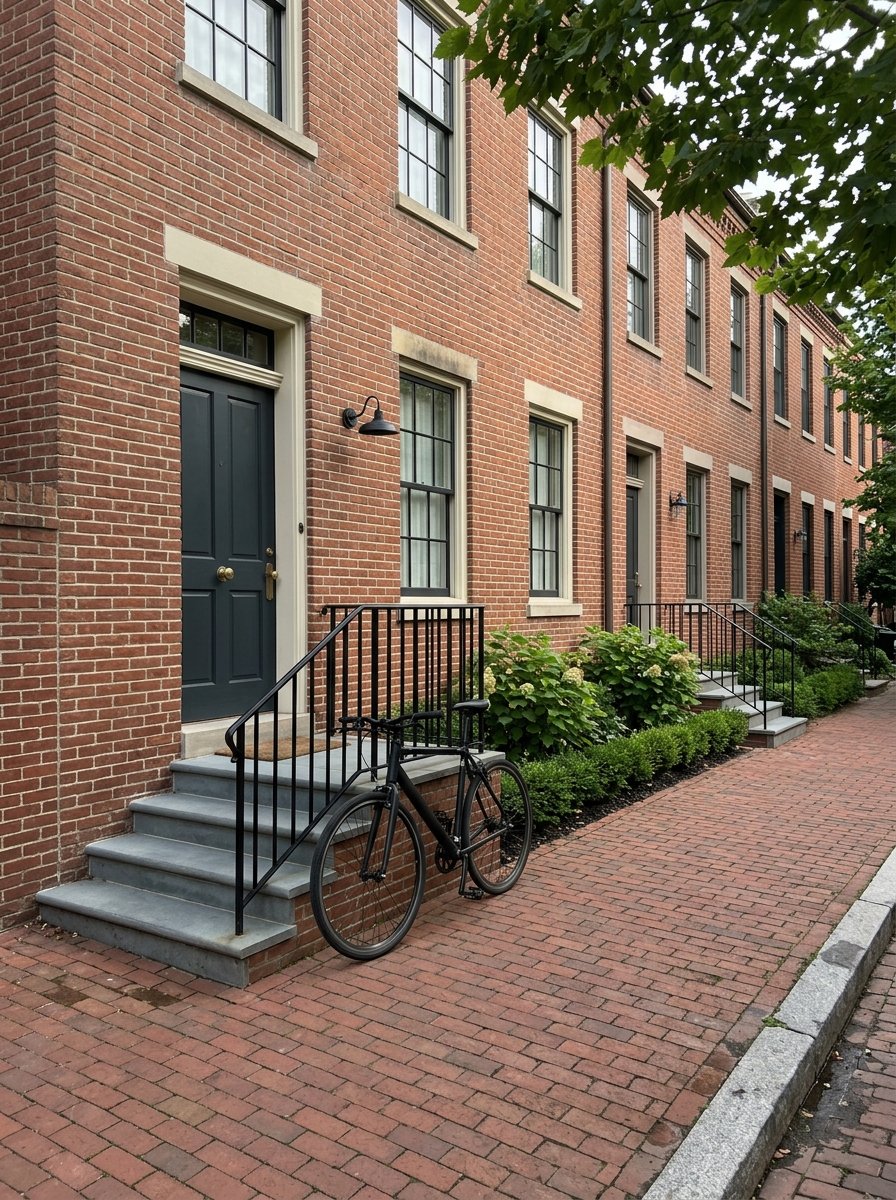
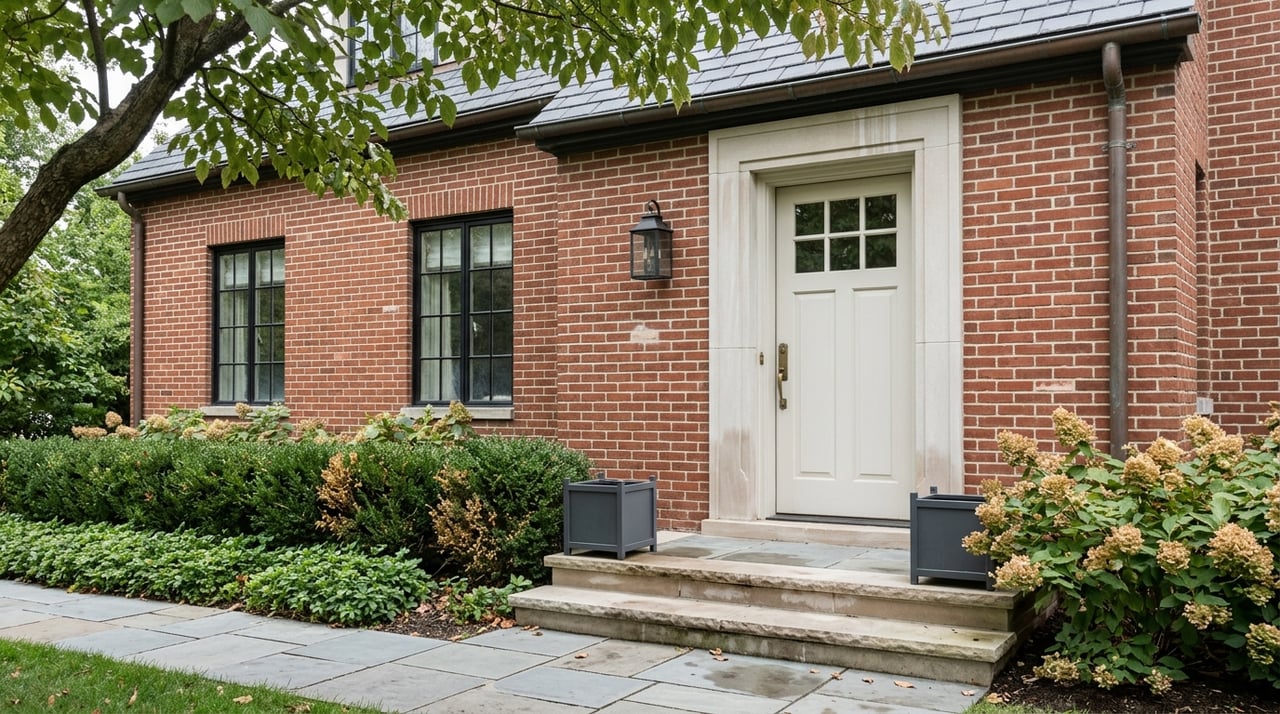
These homes often include materials and details that buyers love, such as wood clapboard, stucco, brick, slate, wood shingles, porches, dormers, and original trim. In many cases, those details are not just attractive. They also shape the historic character of the streetscape.
Know which Chevy Chase you are buying in
One of the most important things to understand is that Chevy Chase is not one single jurisdiction. Depending on the exact address, a home may fall within the Town of Chevy Chase, Chevy Chase Village, Chevy Chase Village Section 3, Section 5, North Chevy Chase, Chevy Chase View, or an unincorporated Chevy Chase area in Montgomery County.
That matters because permit requirements can vary by municipality. A project might involve county permits, municipal permits, historic review, or a combination of all three.
Before you fall in love with a renovation idea, confirm the property’s exact jurisdiction. That single step can save you time, money, and frustration later.
Inspect the house beyond the cosmetics
Beautiful moldings and charming facades can draw your eye fast. But in an early-1900s or mid-century older home, your smartest due diligence starts behind the finishes.
For many buyers, the biggest issue is not style. It is water.
Check moisture and drainage first
In older homes, moisture problems can lead to mold, mildew, rot, structural damage, and paint failure. That is why the building envelope deserves close attention during inspections.
Look carefully at the roof age, flashing, gutters, downspouts, grading, foundation walls, and basement conditions. If the home has a lower level, ask about any history of dampness, drainage work, or water management improvements.
Older basements, mature trees, and long-term settling can all make drainage more complex. A quick walkthrough is not enough if you want a clear picture of future maintenance needs.
Understand lead paint risk
If the home was built before 1978, lead-based paint is an important consideration. According to the EPA, 87% of homes built before 1940 and 24% of homes built from 1960 to 1978 contain some lead-based paint.
Federal law requires disclosure of known lead-based paint information before the sale or lease of most pre-1978 housing. Buyers are also allowed a 10-day period to conduct a lead inspection or risk assessment unless that right is waived.
If you expect to renovate, this matters even more. Sanding, cutting, and window replacement can create hazardous dust, so it is wise to understand where lead-safe work practices may be needed.
Ask about asbestos in older materials
Asbestos can show up in older-home materials such as siding, shingles, and floor tiles. Undisturbed asbestos-containing materials usually do not pose a health risk, but damaged material or anything likely to be disturbed during remodeling should be evaluated by a trained asbestos professional.
This is especially relevant if you plan to update flooring, open walls, or replace exterior materials soon after closing. A pre-purchase plan can help you avoid expensive surprises once work begins.
Test for radon in Montgomery County
Radon should be on your checklist for any Chevy Chase home. Montgomery County says every home should be tested, and the county is in Zone 1, meaning the predicted average radon level is at or above 4.0 pCi/L.
Radon can enter through cracks, floors, drains, and sumps. Testing is the only way to know whether mitigation is needed.
Renovating an older Chevy Chase home
Owning an older home here can be deeply rewarding, but renovations often require more planning than buyers expect. The key is knowing the difference between ordinary upkeep and changes that trigger review.
Historic review may apply
If the property is in a designated historic district or is an individual historic resource, exterior changes generally require a Historic Area Work Permit, or HAWP. Substantive changes such as additions or removal and replacement of character-defining exterior elements may need approval.
That can include windows, doors, porches, steps, shutters, and decorative features. Interior work and ordinary maintenance usually do not require a HAWP.
Simple maintenance can include minor repairs using like materials, minor landscaping, and repainting non-masonry surfaces in the same or substantially same color. Even so, it is important to verify what applies to your property before work starts.
Visibility matters in design decisions
In Chevy Chase Village, review often focuses on how visible a change is from the public right-of-way and whether it preserves the open, park-like character of the block. Windows, doors, porches, decks, siding, trim, tree removal, and lot coverage can receive close scrutiny.
Guidelines generally discourage vinyl and aluminum windows or siding where original materials remain intact. Compatible storm windows are encouraged, and major additions are generally preferred at the rear when feasible.
If replacement is unavoidable, county regulations favor materials that match the old in design, texture, and visual character. In other words, compatibility usually matters more than the easiest off-the-shelf option.
A county permit may not be the only step
Some like-for-like work is easier at the county level. Roof covering only, siding, storm windows replaced in kind, and windows or doors replaced without changing the opening size are often listed as work that usually does not need a county permit.
But that does not override historic review. A project may still need HAWP approval even when a standard building permit is not required.
Local municipal rules can add another layer. In the Town of Chevy Chase, new construction, demolition, or additions of 500 square feet or more require a site-management meeting before permit issuance, and the town does not approve its permit until the county permit is issued. Other Chevy Chase municipalities may have their own separate permit steps as well.
Budget for repairs before wish-list upgrades
When buyers picture an older home, they often imagine the fun parts first. A new kitchen, fresh finishes, or a reworked floor plan can be exciting, but the first dollars often go elsewhere.
A practical budget usually starts with a repair reserve. In an older Chevy Chase home, that may include moisture control, inspection findings, radon testing, lead-safe or asbestos-aware work, and permit-driven updates before cosmetic improvements.
This is one reason older-home purchases benefit from a thoughtful strategy. If you know where your likely first-year costs may land, you can make a stronger and more confident buying decision.
Ask smart questions before you make an offer
A little extra diligence early can help you avoid major surprises later. When you are considering an older home in Chevy Chase, use a checklist that reflects how these homes and municipalities actually work.
Buyer checklist for older Chevy Chase homes
- Confirm the exact municipality for the property
- Verify whether the home is in a historic district or is an individual historic resource
- Review roof, gutters, grading, foundation walls, and basement conditions
- Test for radon
- Investigate lead paint risk for pre-1978 homes
- Ask about possible asbestos-containing materials if renovations are planned
- Check whether past additions or exterior alterations were permitted and finaled
- Ask what repairs or drainage improvements have already been made
Look for possible tax incentives
Historic designation can sometimes come with financial upside. Montgomery Planning says designated owners may qualify for a county property tax credit equal to 25% of approved maintenance, exterior restoration, or preservation costs over $1,000 when the work is performed by a licensed contractor.
There may also be a Maryland state income tax deduction of 20% for approved work totaling at least $5,000 over a two-year period. If you are buying a designated property, it is worth asking early whether your planned work could qualify.
Why guidance matters in this market
Buying an older home in Chevy Chase is rarely just about square footage and finishes. It is about understanding the home’s condition, the property’s jurisdiction, and the rules that may shape future improvements.
That is where experienced local guidance can make a real difference. When you know how to evaluate condition, permits, and character-preserving updates before you buy, you are in a much stronger position to move forward with clarity.
If you are considering an older home in Chevy Chase, Pearlman Meekin & Co. can help you navigate the process with thoughtful local insight and strong buyer advocacy.
FAQs
What makes older homes in Chevy Chase different from newer homes?
- Older Chevy Chase homes often feature early-20th-century architecture, original materials, and character-defining details, but they may also require closer review of moisture, lead paint, asbestos, radon, and renovation rules.
What should buyers inspect first in an older Chevy Chase home?
- Buyers should pay close attention to water management issues such as roof condition, flashing, gutters, downspouts, grading, foundation walls, and basement dampness.
Do older homes in Chevy Chase need special permits for renovations?
- Some do. Depending on the exact address, a project may require county permits, municipal permits, historic review through a Historic Area Work Permit, or more than one of these.
Should buyers test for radon in Chevy Chase homes?
- Yes. Montgomery County says every home should be tested, and the county is in Zone 1 for predicted average radon levels.
Are there tax benefits for buying a historic home in Chevy Chase?
- Possibly. Owners of designated historic properties may qualify for a county property tax credit and a Maryland state income tax deduction for certain approved preservation work.
How can buyers prepare for the cost of an older Chevy Chase home?
- A smart approach is to budget for a repair reserve that covers inspection findings, moisture control, radon testing, lead-safe or asbestos-aware work, and any permit-related updates before cosmetic renovations.